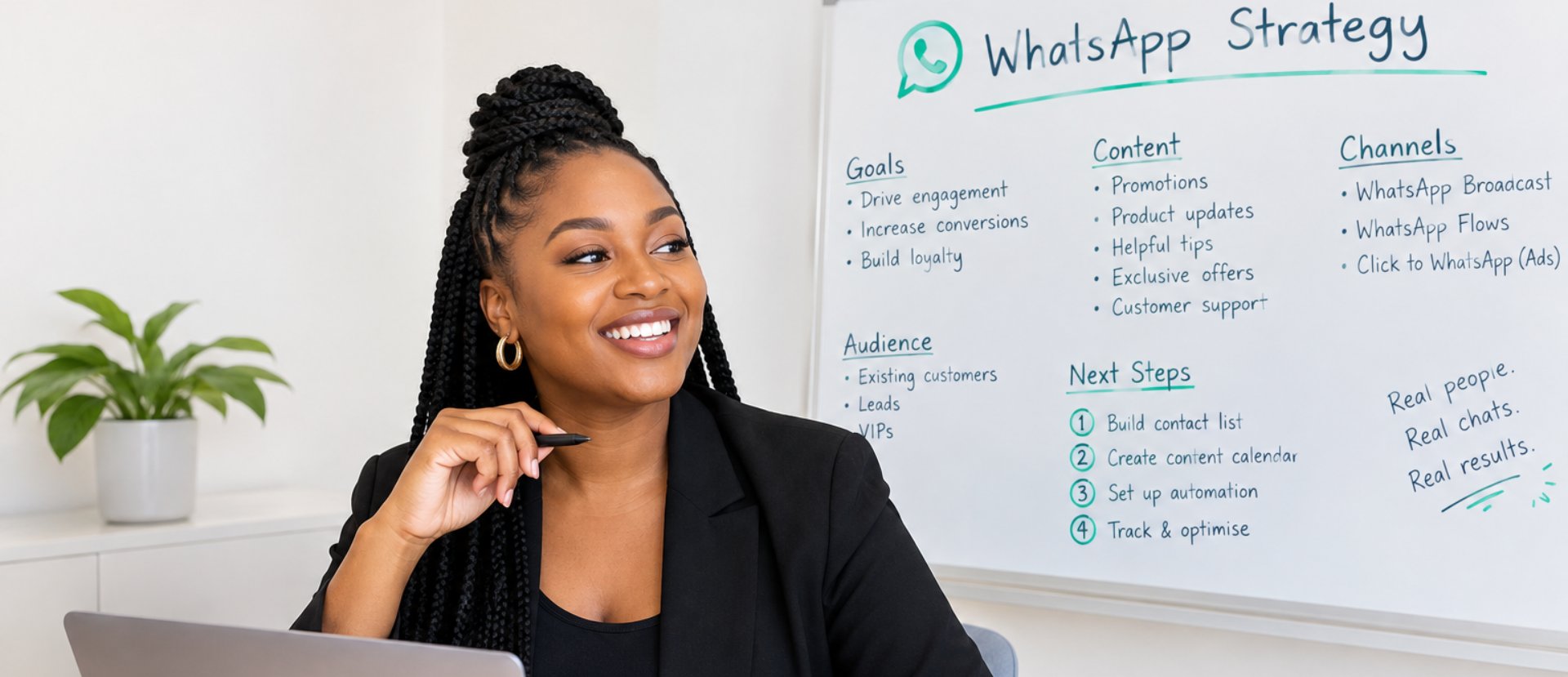
WhatsApp used to be the place where businesses went for a casual chat. Now, it is a full marketing, sales and customer support channel. Naturally, Meta wants you to pay for the privilege.
Mark this date in your calendar: 1 October 2026.
That is when Meta rolls out its latest WhatsApp Business Platform pricing update. Businesses using the API will now pay for messages that used to be free.
Before you toss your phone into the sea, do not panic. WhatsApp is growing up. If you use it for direct marketing, sales or support, your plan must grow up too.
What is actually changing?
Meta shifted the WhatsApp Business Platform to a per-message pricing model in 2025. You pay based on message categories: marketing, utility and authentication.
Until now, you had one reliable perk. When a customer messaged your business first, you had a 24-hour customer service window to reply for free.
That free pass is over.
From 1 October 2026, service messages sent through the WhatsApp Business Platform will cost money. Meta will bill you at the standard utility rate for your market.
For South African businesses, current rates look roughly like this:
- Utility: ±R0.12 per message
- Authentication: ±R0.12 per message
- Marketing: ±R0.62 per message
These are ballpark figures in Rand. Meta charges in USD, so exchange rates, VAT and provider fees will bump that number around.
Also, your customers are not getting billed. Your gran can still send you good-morning graphics for free. This update only hits companies using the WhatsApp Business API for automated or high-volume messaging.
R0.12 does not sound scary (until you do the maths)
Twelve cents sounds like pocket change. But direct marketers know the golden rule: small numbers turn huge at scale.
- 10,000 utility messages will run you about R1,200 in Meta fees.
- 100,000 messages hit around R12,000.
- Marketing messages sting more. At roughly R0.62 each, 10,000 marketing messages cost about R6,200 before taxes and platform fees.
Suddenly, that random promotional blast needs a real plan. To be fair, it always did.
WhatsApp is not SMS with cute emojis
Treating WhatsApp like a dumping ground for bulk contact lists is a fast way to burn cash and irritate people. Nobody wants a billboard popping up in their personal chat feed.
People use WhatsApp to talk to real humans. Meta knows this, which is why the platform is turning into an entire customer journey:
- Discover your brand on social media.
- Click an ad to start a chat.
- Let automated logic qualify the lead.
- Hand the chat over to your sales team.
- Sync the details with your CRM.
- Follow up with targeted email campaigns.
That is smart, multi-channel direct marketing. Screaming "50% OFF TODAY ONLY!" to 40,000 uninterested contacts is not.
Enter the AI sidekicks
Meta is also pouring money into AI tools, including its Meta Business Agent. The goal is simple: an AI assistant that answers common questions, recommends products, qualifies leads and books appointments around the clock.
Picture a shopper asking at 23:15: "Do you have the linen shirt in medium?"
Instead of leaving them on read until 09:00 tomorrow, an AI assistant checks stock, confirms the size and helps them buy it on the spot. Your WhatsApp channel becomes an active sales desk.
On top of that, Meta is rolling out ads in the Updates tab and Status area. Marketers can guide people straight from an ad into a private chat, skipping clunky web forms entirely.
The golden rule: make every message pay its way
Stop asking, "How many people can we message this week?"
Start asking, "How many useful conversations can we spark?"
Because every outbound ping now costs money, boring messages carry a direct tax. Before you hit send on your next WhatsApp campaign, run this quick checklist:
- Is it timely?
- Is it relevant to this specific person?
- Did they ask for it or expect it?
- Does it solve a real problem?
If the answer is "our boss said we must send something today", step away from the keyboard. Delete the draft. We will keep your secret.
How to prepare your marketing right now
Use these price tweaks as an excuse to clean up your strategy:
- Clean your contact list. Stop messaging cold contacts who never reply.
- Segment with intent. Group your audience by what they actually bought, clicked or asked for.
- Pair WhatsApp with email. Use email for long-form updates, newsletters and rich content. Save WhatsApp for quick alerts, timely offers and live service.
- Track real returns. Count sales and qualified leads, not just message delivery tallies.
Your audience lets you into their personal message inbox. Send them things they actually want to read, and your WhatsApp marketing will pay for itself.